Prepare Nails for a Manicure That Lasts
A fresh set starts long before the first coat of color. When you prepare nails for a manicure properly, your polish sits smoother, your gel adheres better, and your finished look has that clean, cared-for feel instead of lifting, chipping, or looking uneven after a few days. Think of prep as the quiet luxury behind every glossy neutral, French tip, soft glam chrome, or fierce seasonal design.
The right approach depends on your natural nails and the service you want. A simple polish manicure needs gentle cleaning and shaping, while builder gel, dip powder, acrylic, and Gel-X require more detailed professional preparation. The goal is never to over-file or aggressively remove skin. It is to create a clean, balanced foundation while protecting the health of your natural nails.
Start With Clean, Product-Free Hands
Arrive with clean hands and nails whenever possible. Hand cream, cuticle oil, sunscreen, makeup, and household residue can leave a thin film on the nail plate. That film may seem harmless, but it can interfere with polish or enhancement adhesion.
Wash your hands with soap and water, then dry them thoroughly, including around the cuticles and beneath the free edge. If you have been cooking, gardening, using self-tanner, or cleaning without gloves, give your nails a little extra attention. Those activities can leave oils, pigment, or residue where you do not want it.
Try not to apply cuticle oil or a rich hand cream immediately before your appointment. Hydration is wonderful for your nails between visits, but freshly oiled nails need to be properly cleansed before product application. Your technician will handle the final salon-grade cleansing and dehydrating steps.
Choose a Length That Fits Your Real Life
A manicure should look beautiful on Monday and still make sense by Friday. Before your service, consider how your hands work throughout the week. Typing, lifting little ones, opening packages, working out, playing sports, and wearing contact lenses can all affect the most comfortable length and shape.
If you are growing out weak or peeling nails, a shorter shape may be the chicest choice for now. A short almond, squoval, or rounded nail can look polished and intentional while giving your natural nails room to recover. If you love length, Gel-X extensions, acrylic, builder gel, or hybrid gel may offer the strength and structure that regular polish cannot.
There is no single “best” shape. Square nails can feel crisp and modern, almond shapes create a soft, elongated look, and rounded shapes are often practical for active hands. Bring inspiration photos if you have them, but stay open to your technician’s recommendation based on your nail beds, lifestyle, and desired maintenance schedule.
Let Your Cuticles Be Cared For, Not Cut Up
Cuticles protect the area where your nail grows. When they are dry, overgrown, or ragged, even a beautiful color can look less refined. But cutting too much skin at home can lead to soreness, tiny breaks, and a higher risk of irritation.
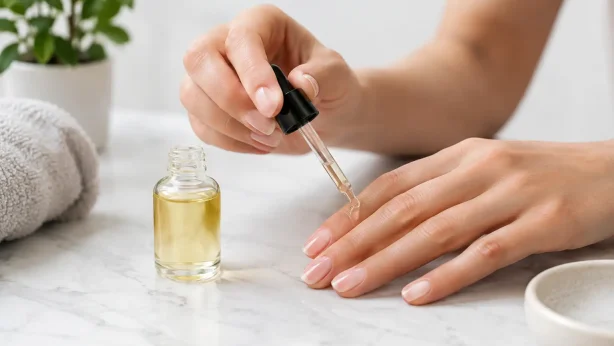
In the days before your manicure, use cuticle oil once or twice a day, especially after handwashing. Massage a small amount around each nail and along the sidewalls. This makes the skin more supple and helps prevent the urge to pick or bite.
Avoid pushing cuticles back aggressively with metal tools, clipping living skin, or peeling off hangnails. If there is a stubborn rough edge, a gentle file can smooth it temporarily, but save detailed cuticle work for a trained technician. At Elodie Nail Lounge, careful prep is part of the experience because a clean result should never come at the expense of comfort.
If You Have a Hangnail
Do not pull it. Trim only the loose piece with clean, sanitized nippers if you know how to do so safely, then apply cuticle oil. If the area is red, tender, swollen, or broken, let your nail technician know before the service. Some areas need time to heal rather than more handling.
Do Not Peel Off Old Gel, Dip, or Acrylic
This is the one prep rule worth repeating: never peel off an old enhancement set. When product is lifted and pulled away, it can take layers of your natural nail with it. The result is often thinning, roughness, sensitivity, and a less secure base for your next manicure.
If you have gel polish, dip powder, acrylic, builder gel, or Gel-X that needs to come off, schedule proper removal or ask whether a fill is appropriate. The answer depends on the condition of the existing product, how much growth you have, and whether there is lifting or cracking. A professional can assess whether maintaining the current enhancement is safe or whether a fresh start will give you better results.
Between appointments, resist using your nails as tools. Opening cans, scraping labels, prying lids, and picking at lifted corners are fast ways to create breakage. Keep a small tool nearby for those jobs and let your nails stay in their main-character role.
File Gently and in One Direction
If you are preparing at home, only make minor shape adjustments. Use a fine-grit file and move in one direction along the edge rather than sawing back and forth. Aggressive filing can create splits at the free edge, especially if your nails are already dry or thin.
Do not buff your natural nails heavily to make them look shiny or “ready.” Over-buffing removes protective layers and can leave nails flexible or sensitive. For gel and enhancement services, your technician will use the appropriate prep method and amount of texture needed for adhesion. This is a place where more is not better.
Hydrate Consistently Between Appointments
Healthy-looking nails benefit from simple consistency. Cuticle oil, hand cream, gloves for dishes and cleaning, and thoughtful maintenance do more than make your hands look nice. They help reduce dryness around the nail, minimize snags, and support a more polished manicure overall.
Use gloves when working with harsh cleaners or soaking your hands for long periods. Water exposure can cause the natural nail to expand and contract, which may contribute to premature lifting in some enhancement services. You do not need to avoid water, of course, but a little protection goes a long way.
If your nails are brittle, peeling, or repeatedly breaking, mention it at your appointment. It may be time for a shorter shape, a strengthening service, or a different enhancement system. Builder gel can be a lovely option for clients who want support over their natural length, while Gel-X can suit someone who wants lightweight length without the commitment of traditional acrylic. The best service is the one that looks gorgeous and works with your nails, not against them.
Know When to Reschedule
A luxury manicure should feel relaxing, never uncomfortable. If you have an active infection, severe irritation, unexplained discoloration, open cuts, or painful swelling around the nail, it is better to pause the appointment and seek appropriate medical guidance if needed. Nail services should not be performed over compromised skin or a suspected infection.
It is also helpful to tell your technician about allergies, sensitivities, pregnancy-related changes, medications that affect your skin or nails, or recent damage from a previous removal. Clear communication helps your technician tailor the service, products, and aftercare to you.
What to Bring to Your Appointment
Come with your inspiration, your lifestyle in mind, and a realistic idea of maintenance. A photo helps communicate color, shape, length, and nail art details, especially if you are choosing a seasonal design, bridal manicure, or special-event set. If you are deciding between dip, Gel-X, acrylic, or builder gel, share what you have worn before and what you loved or did not love about it.
Your technician can then guide you toward a service that delivers the finish you want with a maintenance plan you can keep. A beautiful manicure is not just about the reveal at the table. It is about leaving with nails that feel comfortable, look intentional, and stay ready for every coffee run, meeting, dinner reservation, and photo-worthy moment ahead.