Can Waxing Cause Bumps? What Your Skin Is Saying
Freshly waxed skin is meant to feel smooth, soft, and ready for whatever is on your calendar. So when tiny red bumps show up later that day or the next morning, it can feel like your beauty routine took a turn. Can waxing cause bumps? Yes, it can, but the reason matters. Many post-wax bumps are temporary irritation, while others point to ingrown hairs, clogged follicles, or a reaction that deserves a little more care.
The good news is that bumps after waxing are common and often manageable with the right aftercare. A precise service, clean tools, quality wax, and a technician who understands your skin can make a real difference in how your skin looks and feels afterward.
Can Waxing Cause Bumps? The Most Common Reasons
Waxing removes hair directly from the root, which can leave the follicle temporarily open and sensitive. A small amount of redness or a scatter of tiny raised bumps immediately after a wax is often a normal inflammatory response. It is especially common on delicate areas, including the brows, upper lip, underarms, bikini line, and Brazilian area.
These irritation bumps usually appear quickly, may feel warm or slightly itchy, and often settle within 24 to 48 hours. Skin that is naturally sensitive, dry, or not used to waxing may react more noticeably. Your first wax after shaving for a long time can also bring a stronger response because the hair growth cycle is still adjusting.
Not every bump has the same cause, though. Folliculitis happens when hair follicles become irritated or inflamed, sometimes after sweat, friction, bacteria, or product buildup gets into newly waxed skin. The bumps may resemble small pimples and can feel tender. This is more likely in areas covered by snug clothing or exposed to heat and moisture.
Ingrown hairs are another frequent reason for bumps, particularly on the bikini line, legs, and underarms. Instead of growing outward through the skin, a new hair curves back in or becomes trapped beneath the surface. Coarse, curly, or tightly coiled hair is more prone to this, but anyone can experience it. Ingrowns tend to arrive several days after the appointment rather than right away.
Finally, a reaction may come from a product used before or after waxing. Fragranced lotions, heavy body oils, makeup, self-tanner, deodorant, or an unfamiliar wax formula can all irritate freshly treated skin. A true allergy is less common, but it is possible.
What Normal Post-Wax Bumps Look Like
A mild, short-lived reaction is generally small red bumps around individual follicles, light tenderness, or pinkness that fades as the skin calms. The area should not become increasingly painful, hot, swollen, or filled with pus.
Think of it as skin asking for a quiet day. The most helpful response is usually to keep the area clean, cool, and untouched rather than layering on multiple products in an effort to fix it fast. More product is not always more soothing.
A cool compress can ease warmth and redness. Wear loose, breathable clothing after body or bikini waxing, and skip anything that creates friction. If you had facial waxing, avoid applying makeup directly over irritated skin until the redness settles. Freshly waxed skin is more vulnerable to clogged pores and bacteria from brushes, sponges, and hands.
For a simple irritation response, give your skin 24 to 48 hours before deciding that something is wrong. If the bumps improve day by day, that is a reassuring sign.
How to Prevent Bumps After Your Next Wax
The best post-wax result starts before the wax is applied. Arrive with clean skin and avoid using heavy lotions, oils, or self-tanner on the area that day. For facial waxing, let your technician know about any active skincare products. Retinoids, exfoliating acids, benzoyl peroxide, and certain prescription treatments can make skin more fragile and increase the risk of lifting or irritation.
If you are using a new medication, pregnant, managing a skin condition, or recently had a peel, laser treatment, or other service, mention it before your appointment. A thoughtful consultation is part of polished care, not an inconvenience.
Hair length also matters. Hair that is too short may not lift cleanly, while very long hair can make the service less comfortable. As a general rule, hair should have enough length for the wax to grip. Your technician can advise you on timing based on the area and your normal growth pattern.
After waxing, protect the skin’s calm. For the first 24 to 48 hours, avoid hot baths, saunas, steam rooms, intense workouts, swimming pools, and direct sun exposure when possible. Heat and sweat can aggravate open follicles, while pool chemicals and bacteria can create extra irritation. This may be inconvenient before a beach weekend or a gym-heavy day, but the trade-off is usually fewer bumps and a smoother finish.
Avoid exfoliating immediately after your appointment. Once the skin is no longer red or tender, gentle exfoliation two to three times a week can help prevent ingrown hairs by clearing away dead skin that might trap new growth. The key word is gentle. Scrubbing hard, picking at bumps, or using a strong acid too soon can turn minor irritation into a longer-lasting mark.
Hydration helps, too. Use a lightweight, fragrance-free moisturizer after the initial sensitive period. Skin that is comfortably hydrated is less likely to become flaky and trap hairs as they grow back.
Why Salon Cleanliness and Technique Matter
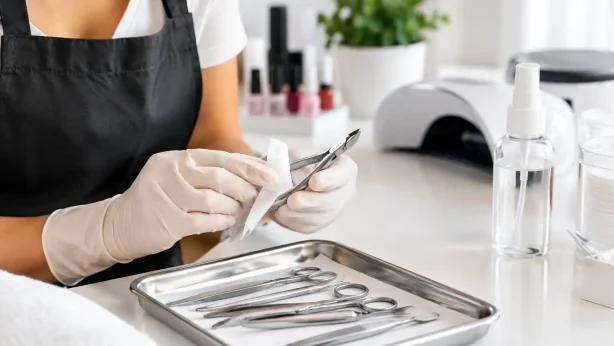
Not all waxing experiences are created equal. Proper skin prep, sanitized work surfaces, fresh applicators, and careful technique lower the chance of unnecessary irritation. A skilled technician also watches for signs that skin may be too sensitized for waxing that day and adjusts the service accordingly.
At Elodie Nail Lounge, personal care is designed to feel elevated without feeling fussy. That includes taking time with preparation, sanitation, and your comfort, whether you are shaping brows before an event or keeping up with regular body waxing. Let your technician know if you have had bumps before, which products you use at home, and whether a particular area tends to be sensitive. Those details help personalize the service.
Consistency can matter as much as the appointment itself. Waxing on a regular schedule may help some clients see softer, more predictable regrowth over time. It will not eliminate every possible bump, especially if you are prone to ingrowns, but it can make your routine easier to manage than switching back and forth between shaving and waxing.
When Post-Wax Bumps Need More Than Aftercare
Most minor bumps fade without drama. Still, do not ignore skin that is getting worse instead of better. Contact a healthcare professional if you notice spreading redness, significant swelling, severe pain, blisters, pus-filled bumps, fever, or redness that does not improve after a few days. These signs can suggest infection, a stronger allergic reaction, or another condition that should be assessed professionally.
It is also wise to pause waxing if you have an active rash, sunburn, broken skin, or a flare of eczema, psoriasis, or another skin concern in the treatment area. A wax appointment can wait. Giving your skin time to recover protects both your comfort and your results.
If bumps keep returning after every wax, take note of the timing. Bumps that appear immediately may be irritation or sensitivity. Bumps that appear days later may be ingrowns or follicle inflammation. Bring that pattern to your technician and, if needed, your dermatologist. Small adjustments in prep, wax type, aftercare, or your waxing schedule can be surprisingly effective.
Beautiful waxing results should feel like a confidence boost, not a skin mystery. Treat freshly waxed skin gently, choose care that puts cleanliness and technique first, and give yourself permission to ask questions before your next appointment. That little bit of personal attention is often what keeps your skin smooth, calm, and ready for its soft-glam moment.