Do Acrylics Hurt? What a Comfortable Set Should Feel Like
Acrylic nails should feel like a confidence boost, not something you have to tough out. So, do acrylics hurt? A properly applied set generally should not hurt during the service or afterward. You may notice light pressure, the sensation of filing, or a little sensitivity if your natural nails are already thin or tender. Actual pain, burning, throbbing, or a pinching feeling is your cue to speak up.
A fresh set can be fierce, glossy, and beautifully sculpted without sacrificing comfort. The difference often comes down to thoughtful preparation, correct product application, and a technician who listens when something does not feel right.
Do Acrylics Hurt During the Appointment?
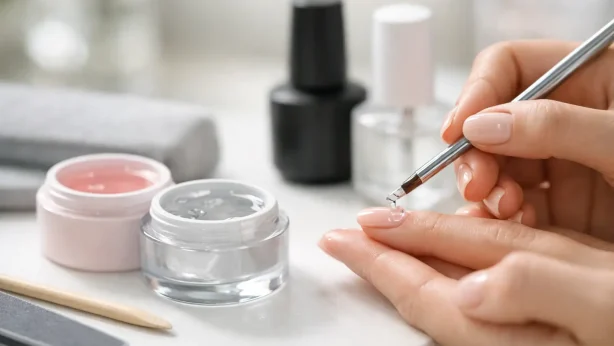
For most clients, getting acrylics feels more like a detailed beauty service than a painful one. Your technician will clean and shape the natural nail, gently prepare the surface, apply the acrylic enhancement, then refine the shape and finish with color or nail art. Some of those steps create sensations, but sensations are not the same thing as pain.
Light filing can feel slightly scratchy, especially around the cuticle area. If you are getting longer extensions, you may also need a few minutes to adjust to the new length and weight. That is normal. A well-balanced acrylic set should not feel tight, heavy, or like it is pulling on your natural nails.
The most common uncomfortable moment is overly aggressive filing. Natural nails do need preparation for acrylic to adhere correctly, but they do not need to be filed thin. A trained technician works with control, checks the nail plate carefully, and uses the least amount of filing needed for a secure, polished result.
If the file feels hot, sharp, or painful, say something immediately. You never need to wait until the appointment is over. A simple, “That spot feels sensitive,” gives your technician the information they need to adjust their pressure, tool, or technique.
Why Acrylic Nails Can Feel Painful
Pain is not a standard part of wearing acrylics. When it happens, there is usually a reason worth addressing. Sometimes the cause is simple and temporary, while other times it is a sign that the enhancement should be removed or evaluated.
Your natural nails may already be sensitive
If you recently removed another enhancement, peeled off gel, used your nails as tools, or had a prior set filed too heavily, your nail plates may be more vulnerable than usual. Acrylic over compromised nails can feel more noticeable because the natural nail underneath has less protection.
Let your technician know before the service starts. They may recommend a shorter length, a different enhancement system, or a gentler approach while your nails recover. Builder gel or Gel-X can be a lovely alternative for some clients, depending on their desired length, lifestyle, and nail condition.
The set may be too tight or improperly structured
Acrylic should follow the natural curve of the nail without pressing into the sidewalls, cuticle area, or skin beneath the nail. A set that is too thick, too long for your daily routine, or poorly balanced can put unnecessary stress on the natural nail.
You might first notice this as a sore or pressured feeling when typing, opening a can, fastening jewelry, or putting on shoes. Long nails are absolutely possible, but the right length is personal. A beautiful set should fit your hands and your real life, whether you are heading to the office, managing a busy family schedule, or getting ready for a bridal event.
There may be lifting, damage, or an existing issue
Pain that starts days after your appointment deserves attention. Lifting can allow moisture and debris to collect between the acrylic and natural nail, which may lead to irritation. A snagged extension can also pull on the nail plate, even if the acrylic itself does not break.
Do not glue down a lifted nail at home or try to clip and pull it off. That can cause more damage. Book a repair or removal so the nail can be cleaned, assessed, and safely restored.
A product sensitivity is possible
Redness, itching, swelling, rash-like bumps, or burning around the nail and fingertips may suggest irritation or an allergic reaction. These symptoms are different from ordinary post-service sensitivity. Stop using the product and seek advice from a medical professional, particularly if swelling is significant, symptoms spread, or you have trouble breathing.
A quality salon uses professional products, careful application practices, and sanitation protocols to reduce avoidable risks. Still, every person’s skin and sensitivities are different. Sharing any known allergies or past reactions before your service helps your technician make more informed recommendations.
What Is Normal After a Fresh Acrylic Set?
Acrylic nails may feel unfamiliar for the first day or two, especially if you chose more length than usual. You may be more aware of your fingertips while texting or reaching into a purse. Mild tenderness can happen if your nails were already sensitive, but it should improve quickly rather than intensify.
What you should not ignore is persistent throbbing, sharp pain, warmth, visible redness, swelling, or pain when you touch the nail. Those signs are not part of the usual adjustment period. Contact your salon for guidance, and consider medical care if symptoms are severe or do not improve.
A strong, comfortable acrylic set should let you go about your day without thinking about your nails every few minutes. You should notice the soft glam color, the clean shape, and the fresh-set energy – not discomfort.
How to Make Acrylic Nails More Comfortable
Comfort starts before the first brush of acrylic touches your nail. Arrive with clean hands and be honest about any soreness, damage, sensitivities, or recent removals. If one nail is particularly tender, point it out. Small details help your technician protect your natural nails and tailor the service.
Choose a length that suits your routine. Extra-long nails can look amazing for a vacation, celebration, prom, or special event, but a medium almond, square, or short coffin shape may be more comfortable for everyday work and home life. There is no one “best” length. The best choice is the one that feels secure and still gives you the look you want.
After your appointment, treat your enhancement with care. Wear gloves when cleaning or gardening, avoid using nails to open packages, and apply cuticle oil regularly to keep the surrounding skin conditioned. Schedule fills before lifting becomes severe, usually based on your nail growth and the condition of the set. Regular maintenance is gentler than waiting until a nail has cracked, loosened, or become unbalanced.
At Elodie Nail Lounge, comfort and precision belong in the same appointment. A luxury nail experience is not only about a beautiful finish. It is about clean tools, careful technique, thoughtful service, and leaving with nails that feel as good as they look.
When to Choose a Different Nail Enhancement
Acrylic is a fantastic option when you want durable length, defined shape, and plenty of room for expressive designs. But it is not the only path to a polished manicure. If your nails are recovering from damage, you prefer a lighter feel, or you want flexible, natural-looking reinforcement, a builder gel, dip powder, poly gel, or Gel-X service may suit you better.
The right service depends on your nail health, desired length, maintenance preferences, and personal style. A skilled consultation can save you from choosing a trend that looks gorgeous in a photo but does not feel right for your hands.
Your nails never need to hurt to look put together. Tell your technician what you are feeling, choose the enhancement that fits your lifestyle, and let comfort be part of your fresh-set standard.